Live fundraiser: Water, Health and Dignity for HuSA learnersWater, Health and DignityDonate
HuSAFoundation for Systemic TransformationA Known Problem is not a Problem
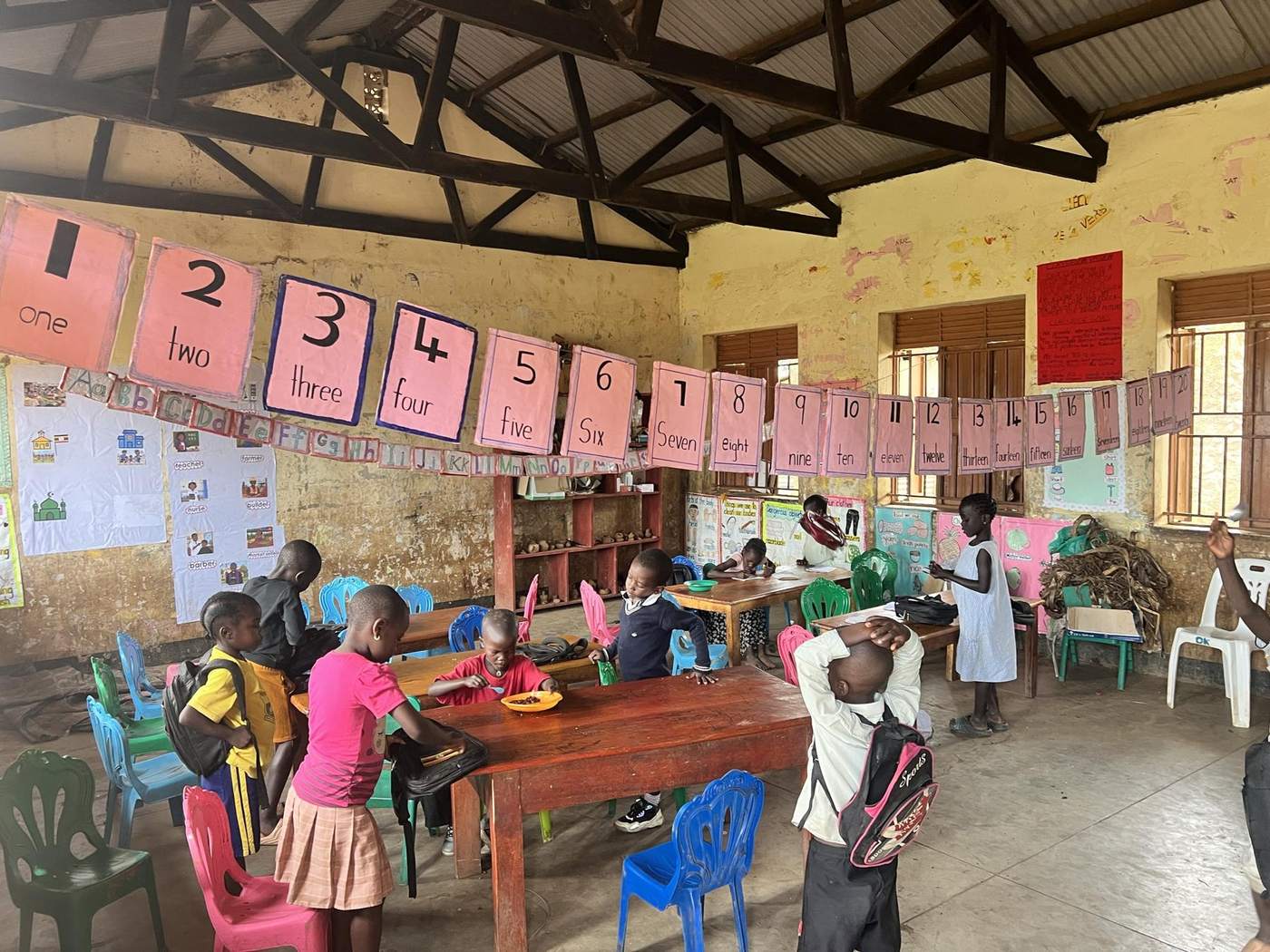
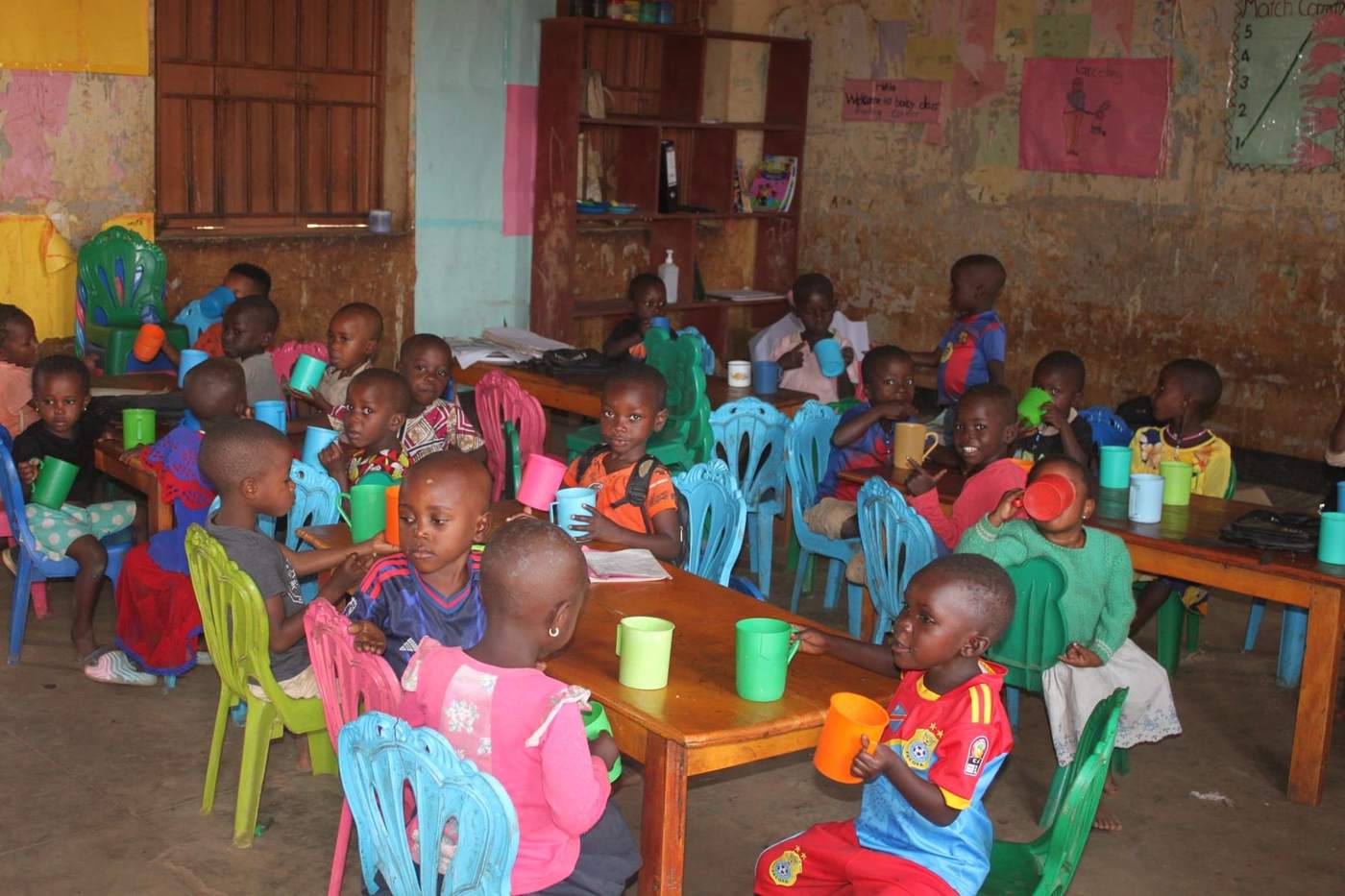
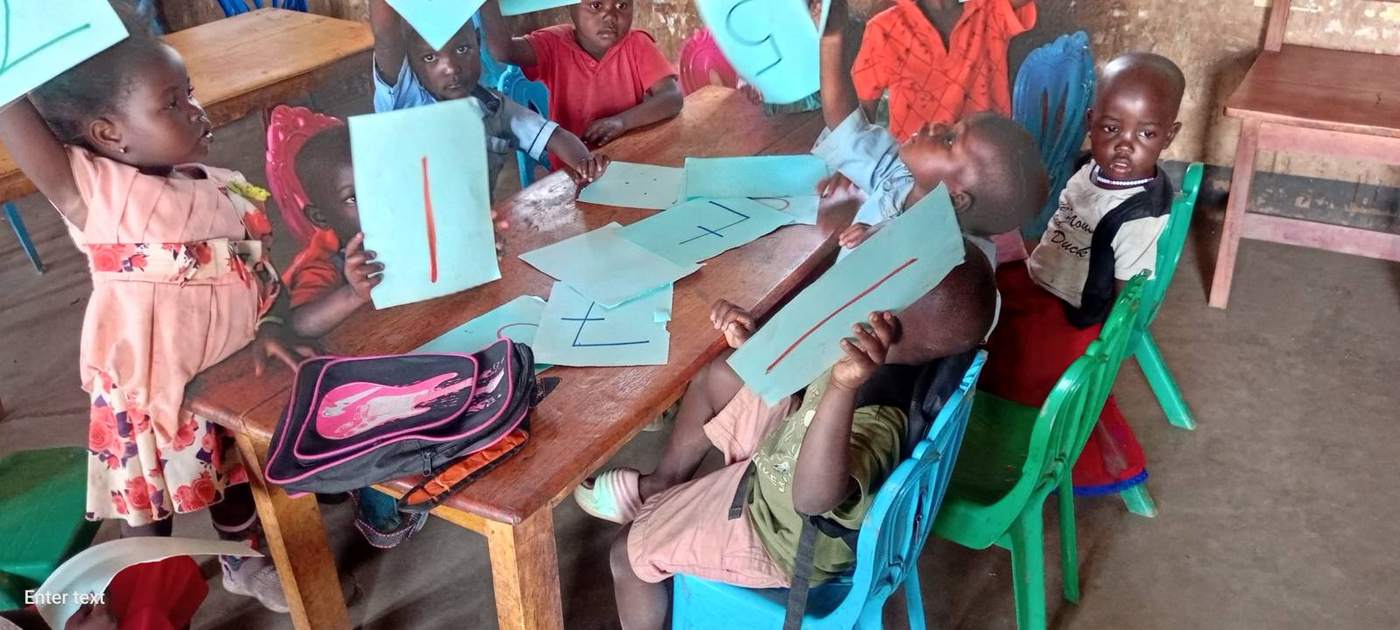
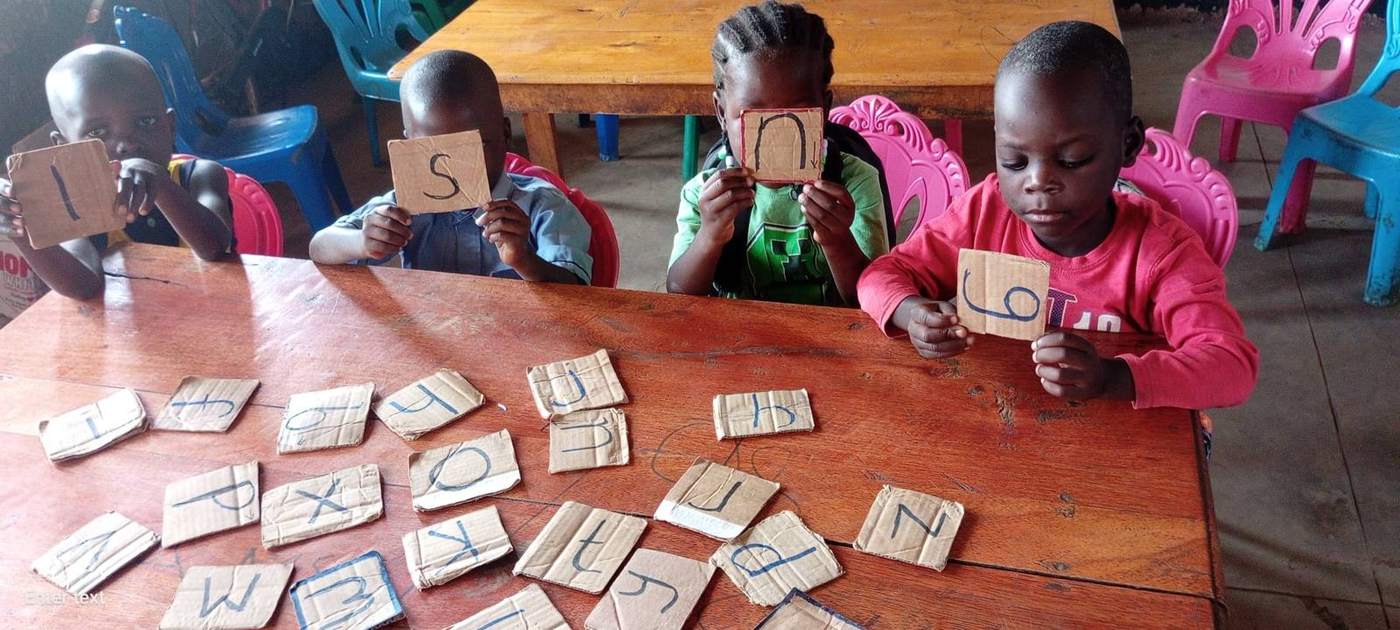
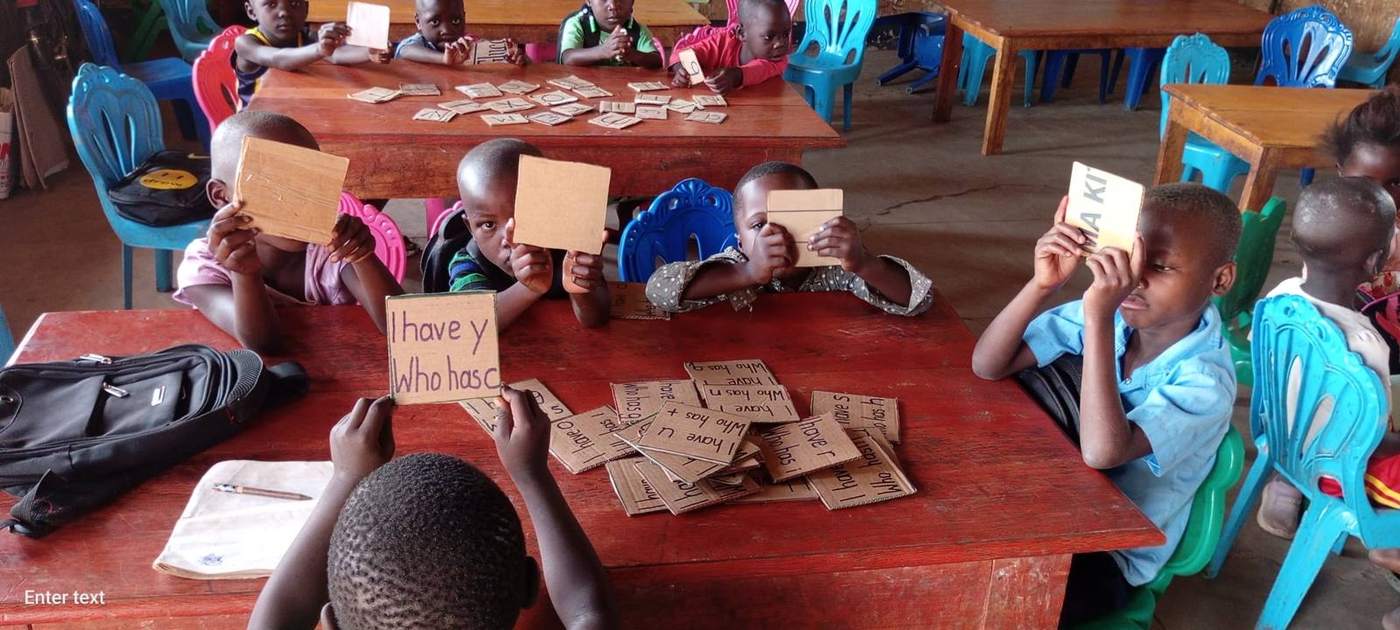
Early childhood learners in a classroom hung with number and letter charts

Kyangwali Refugee Settlement, Uganda

Kyangwali has 47,000+ children in primary school and 596 in Senior One. (2026)

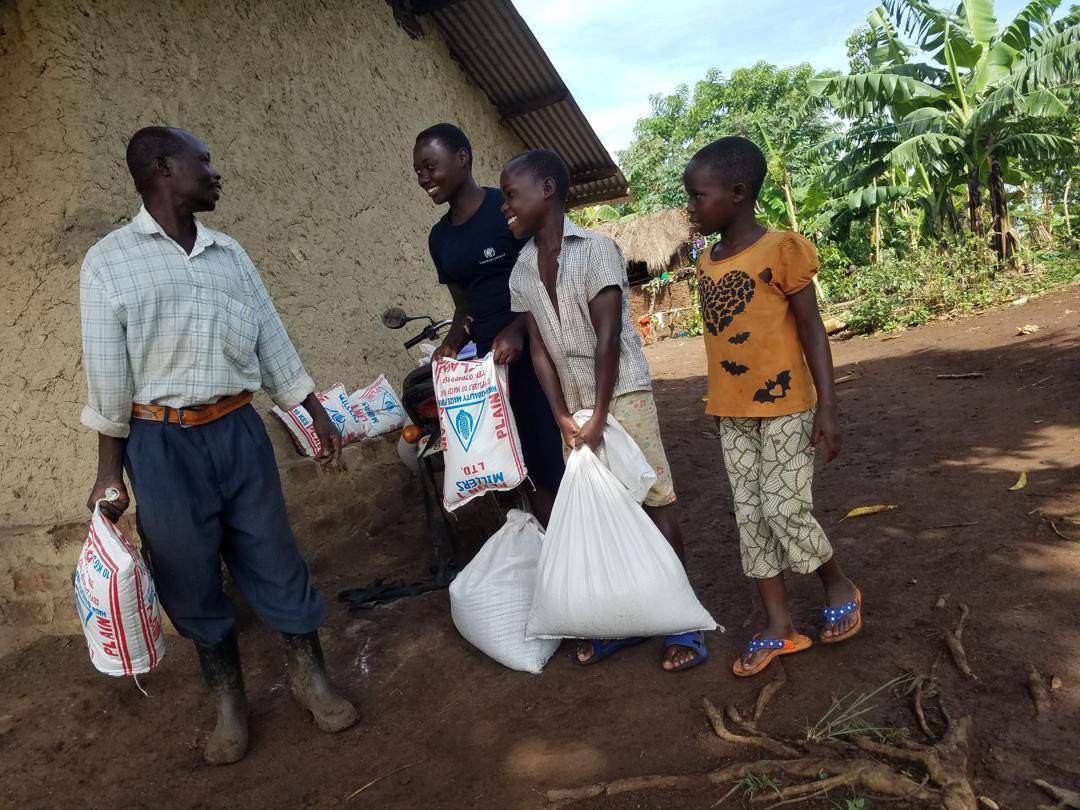
HuSA makes sure refugee and rural community children facing the biggest barriers read, stay in school and leave able to earn. We do it through the school and the home together.

Source: NRC, Kyangwali Refugee Settlement Schools Profile, 2026. 21 primary schools.

Early childhood classroom, HuSA Model Nursery and Primary School

One school, one way into the household, and a model community-led and refugee-led schools across refugee, post-conflict and rural Africa can run. HuSA is a refugee-led systems transformation organisation, founded in 2020 in Kyangwali Refugee Settlement, Kikuube District, Uganda.

Why we start at the root

Children are enrolled. Most are not learning to read, and many leave early.

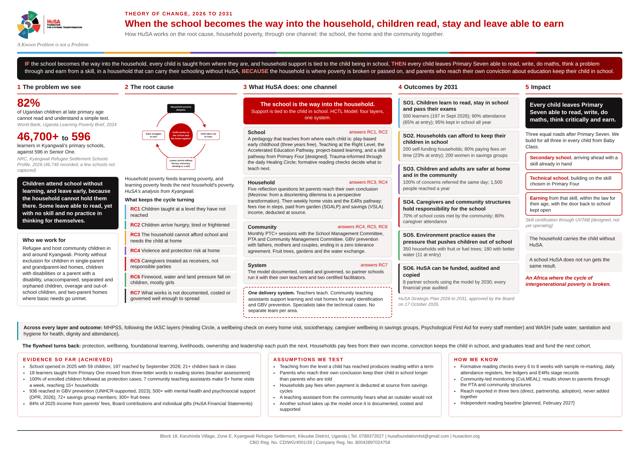
82% of children in Uganda at late primary age cannot read and understand a simple text (learning poverty, as defined by the World Bank). Learning poverty and household poverty feed each other: when money runs short, the child is kept home or sent to work, and leaves unable to read.

World Bank, Uganda Learning Poverty Brief, 2024.

So HuSA works on the classroom, the household and the household economy at the same time, through one channel. We build every child for every road they may take after Primary Seven.

Where children are, class by class, in Kyangwali

NRC, Kyangwali Refugee Settlement Schools Profile, 2026. The profile records 46,746 primary learners across 7 class years; a few schools were not captured, so the true number is higher and we use over 47,000.

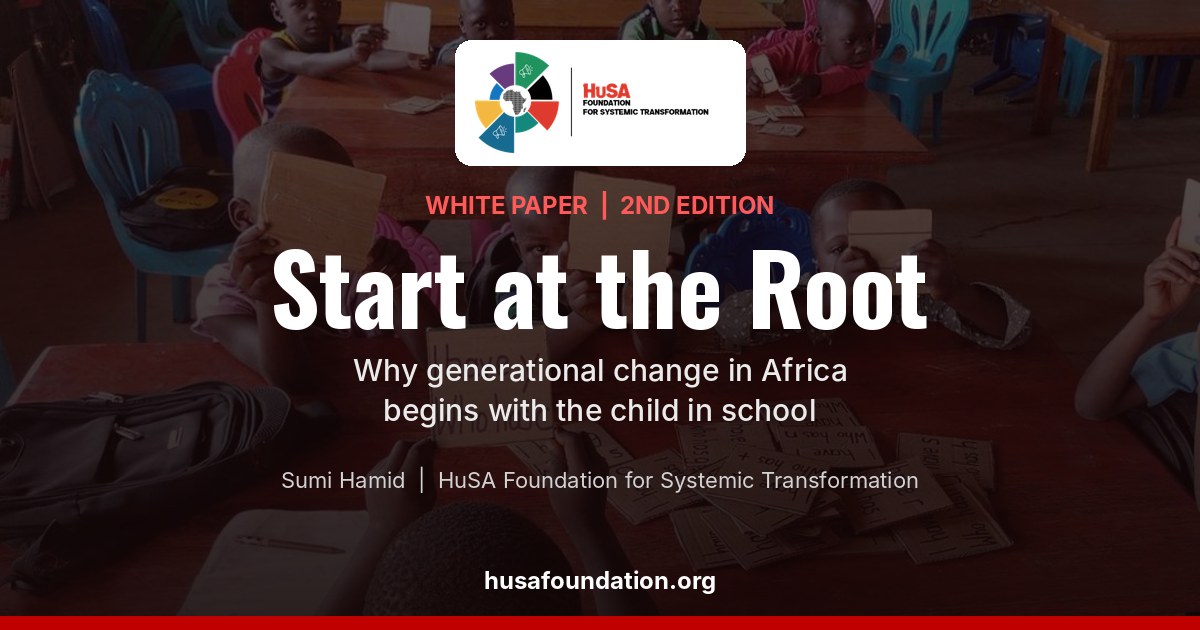
Cover of the white paper Start at the Root, by Sumi Hamid, HuSA

New white paper | 2nd edition, November 2026

Start at the Root

Why generational change in Africa begins with the child in school, and the two-part design HuSA built to act on it: the HCTL Model and the School-Based Design. By Sumi Hamid, published with a permanent DOI.

Who we work for

Priority without exclusion

HuSA works with refugee and rural host community children in Kyangwali, and the school is open to every family. We give priority to children whose home situation puts the biggest barrier between them and learning, and name each barrier at entry so it has a response. Poverty, displacement and marginalisation are circumstances that can change, not who a child is: as each barrier is removed, the child learns, and the cycle of intergenerational poverty breaks. Children across refugee, post-conflict and rural Africa face the same barriers, so the model is built for community-led and refugee-led schools to run.

Children in single-parent households

BarrierOne adult carries income and care alone. When money runs short the child is sent to work or kept home.

ResponseFree early childhood years, fees paid from garden and savings income, weekly household visits.

Children raised by grandparents or elderly caregivers

BarrierCaregivers who cannot walk children to school, pay small costs or help with schoolwork.

ResponseEnrolment as a first protection step, household visits that bring the school to the home, adapted garden roles.

Children with disabilities, and children whose parent has a disability

BarrierBuildings, teaching and assessment that do not fit; reduced household income and services that miss the household.

ResponseWe start by assessing what each child or parent can do, their different abilities, and build on those strengths to remove the barriers: ordinary classes with a floating inclusion teacher and individual plans, accessible parent sessions, and roles in savings and garden work matched to what each person does best.
Unaccompanied, separated and orphaned children

BarrierNo parent to enrol them, follow their learning or keep them safe; caregivers stretched across several children.
ResponsePriority enrolment and close follow-up with the child protection partners responsible for their care.

Overage and out-of-school children

BarrierYears out of class, and shame at sitting with much younger children.

ResponseThe Accelerated Education Pathway, and teaching grouped by level rather than age.

Two-parent households where basic needs go unmet

BarrierThe household cannot keep the child fed, safe and in school.

ResponseThe same household pathway. The barrier is assessed at enrolment, never assumed.

How it works

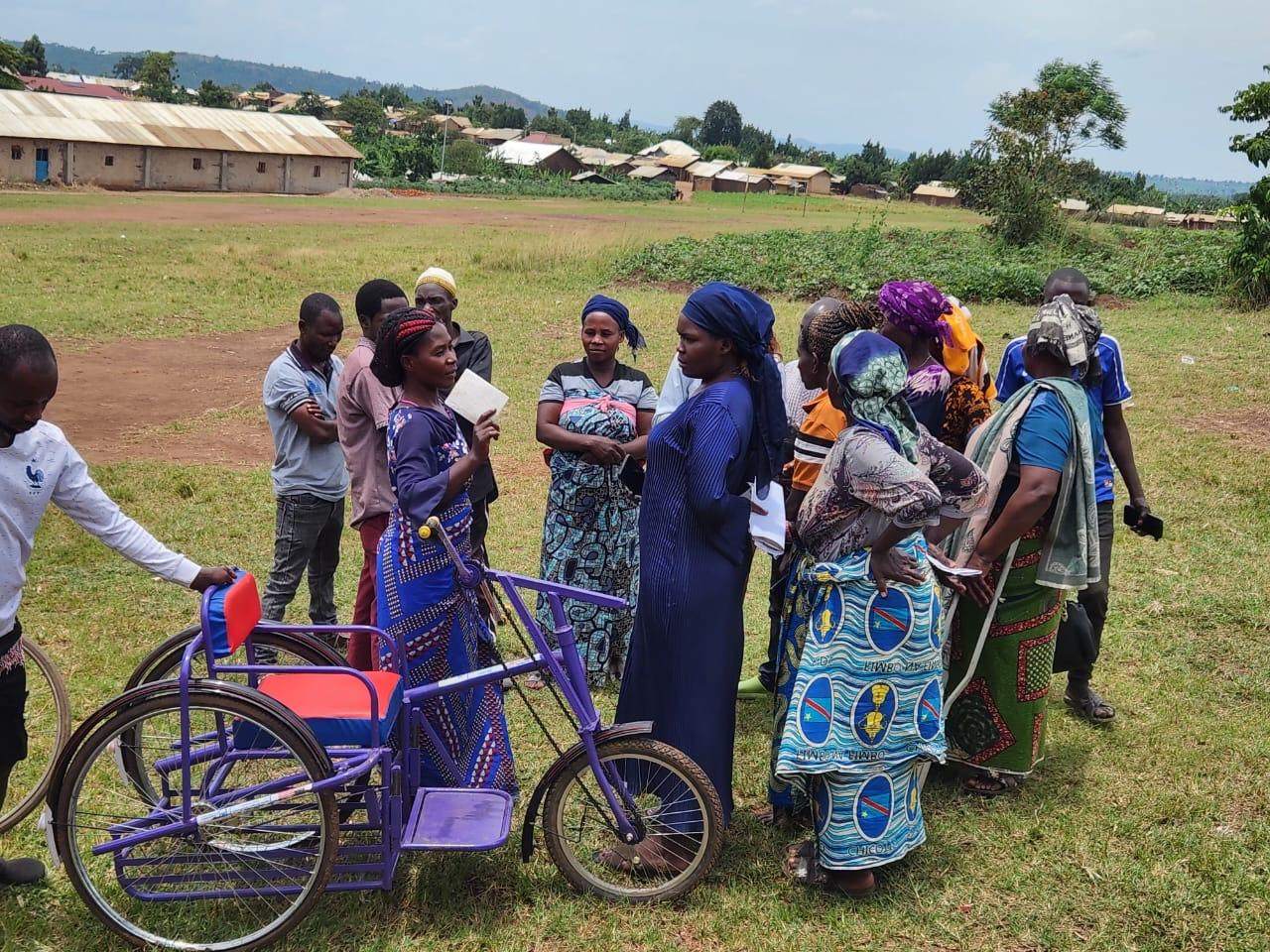
The school is our way into the household

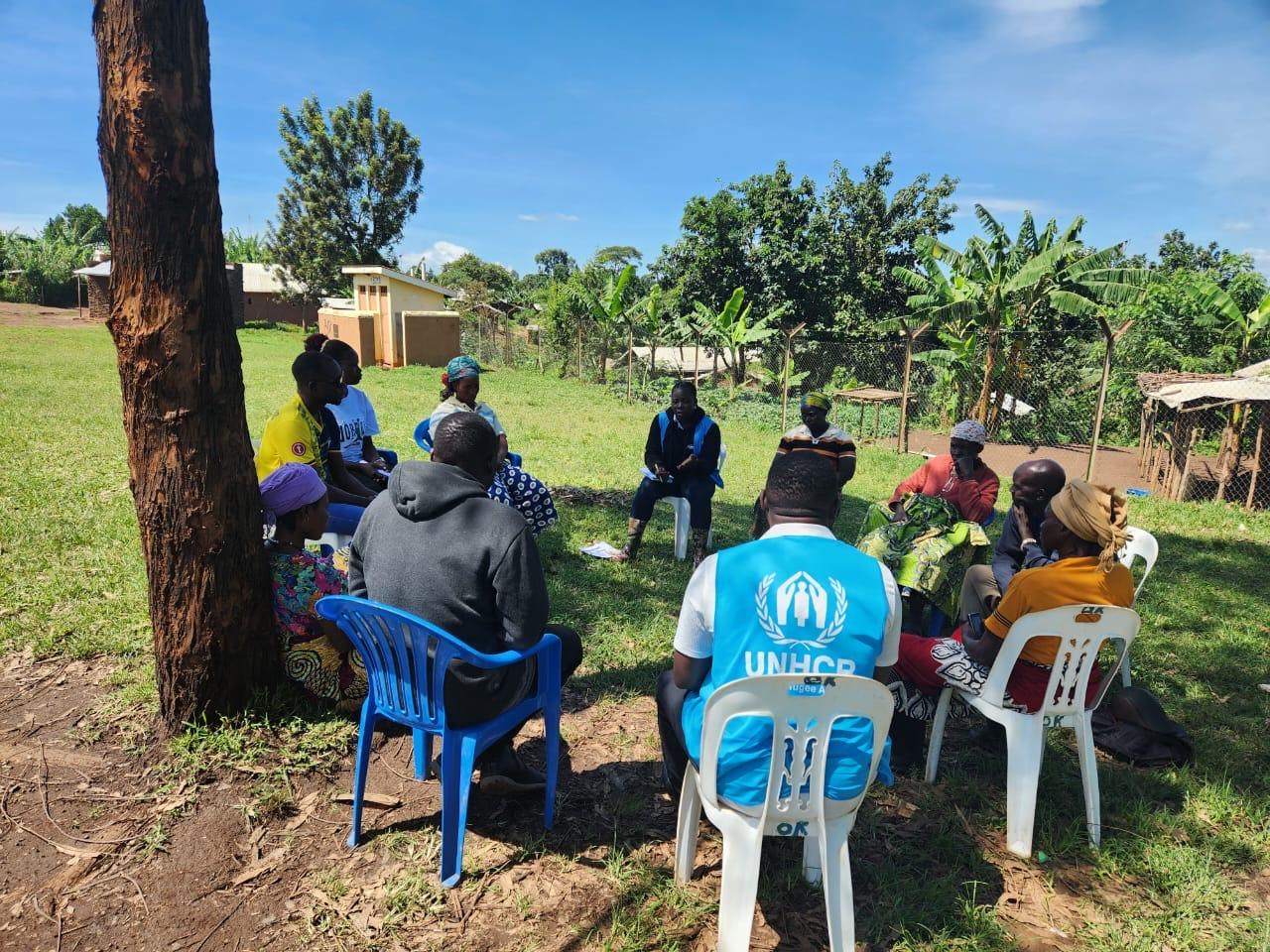
A settlement has few places that bring the same households together every day. A school does. Household support is tied to the child being in school, so the parent's interest and the child's interest sit on the same side.

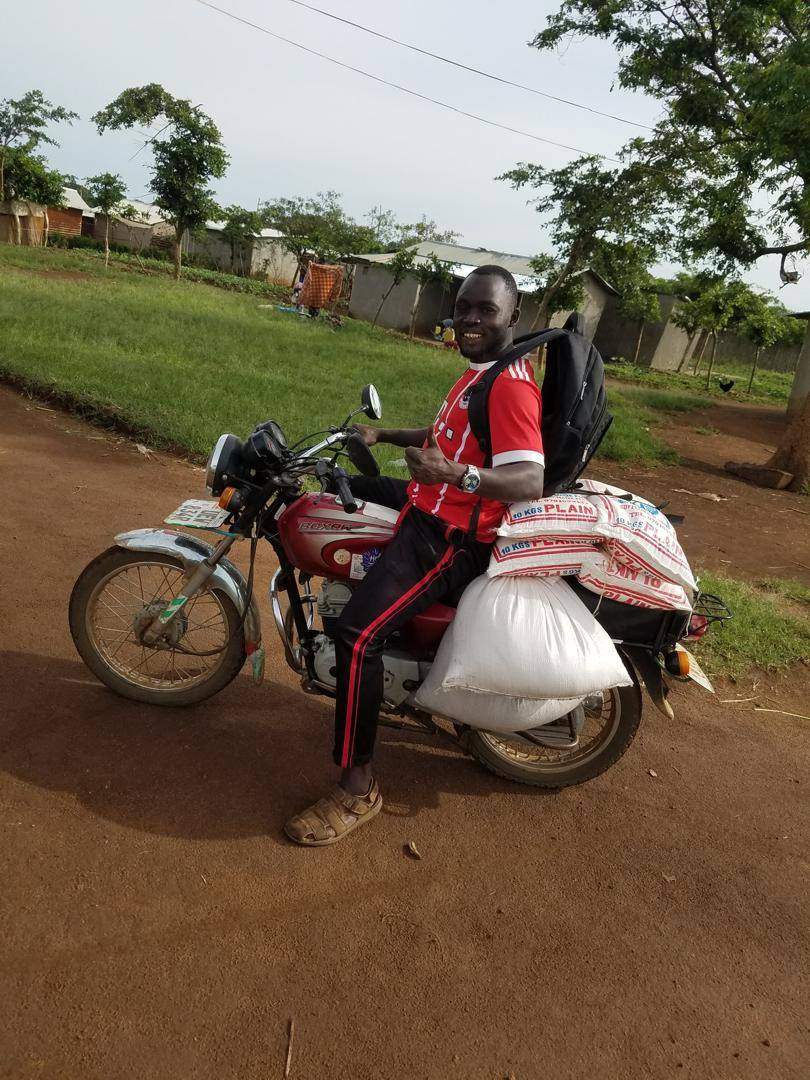
Professional teachers teach. Teaching assistants from the community support learning in class and carry out home visits, GBV prevention and early identification of protection cases. Specialist staff take the technical cases. One trusted delivery system serves every thematic area, so we do not pay for separate teams to reach the same families.

System Government, UNHCR, OPM, other schools

Evidence of what works, shared so community-led and refugee-led schools can run it and partners can use it in government schools.

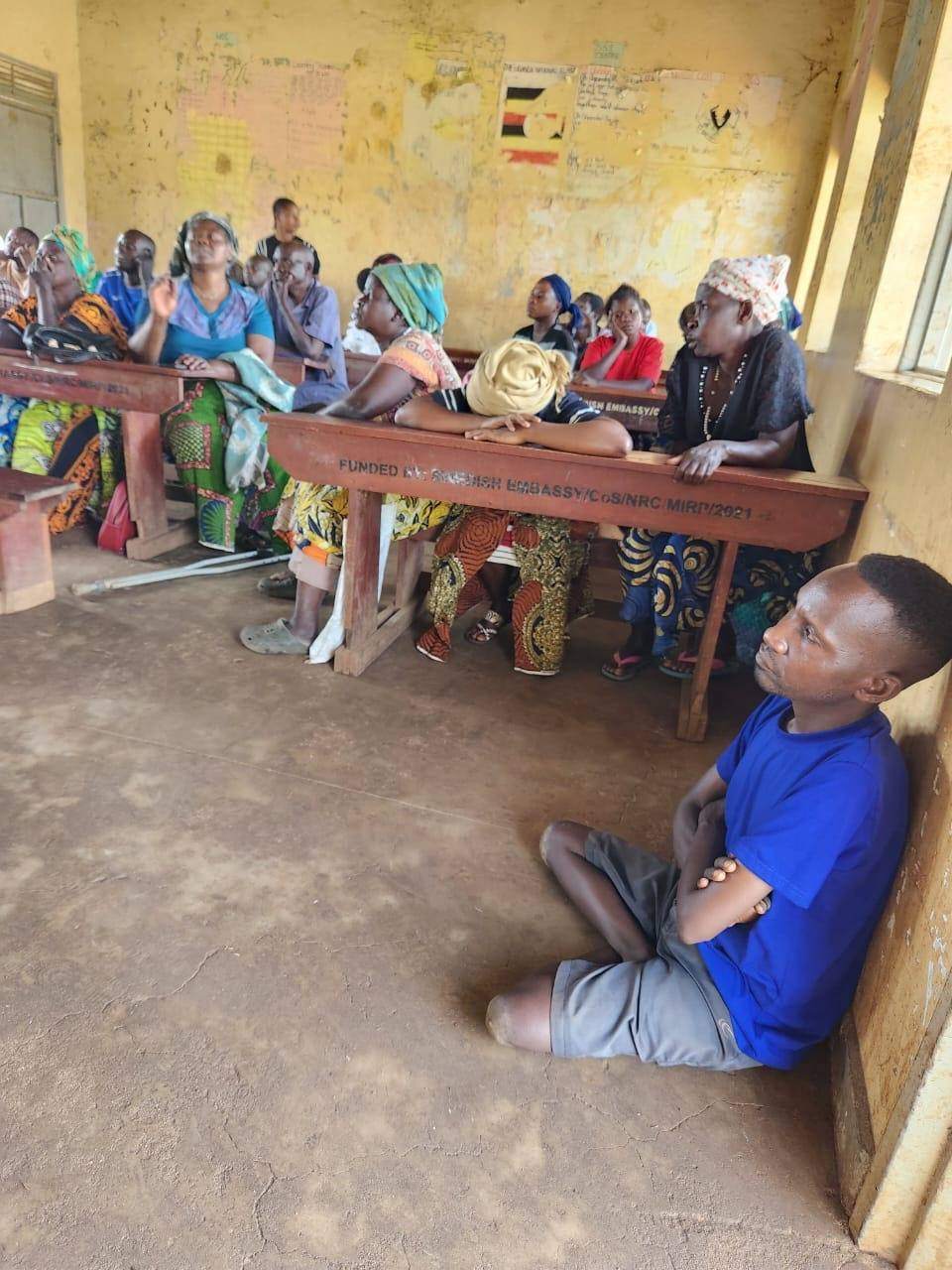
Community Leaders, churches, PTC+ sessions

Holds the school's reputation and speaks for the child's education.

Household Circle Coach visits, VSLA, garden

Parents co-design, hold the school to account, and earn the fees step by step.

School The entry point

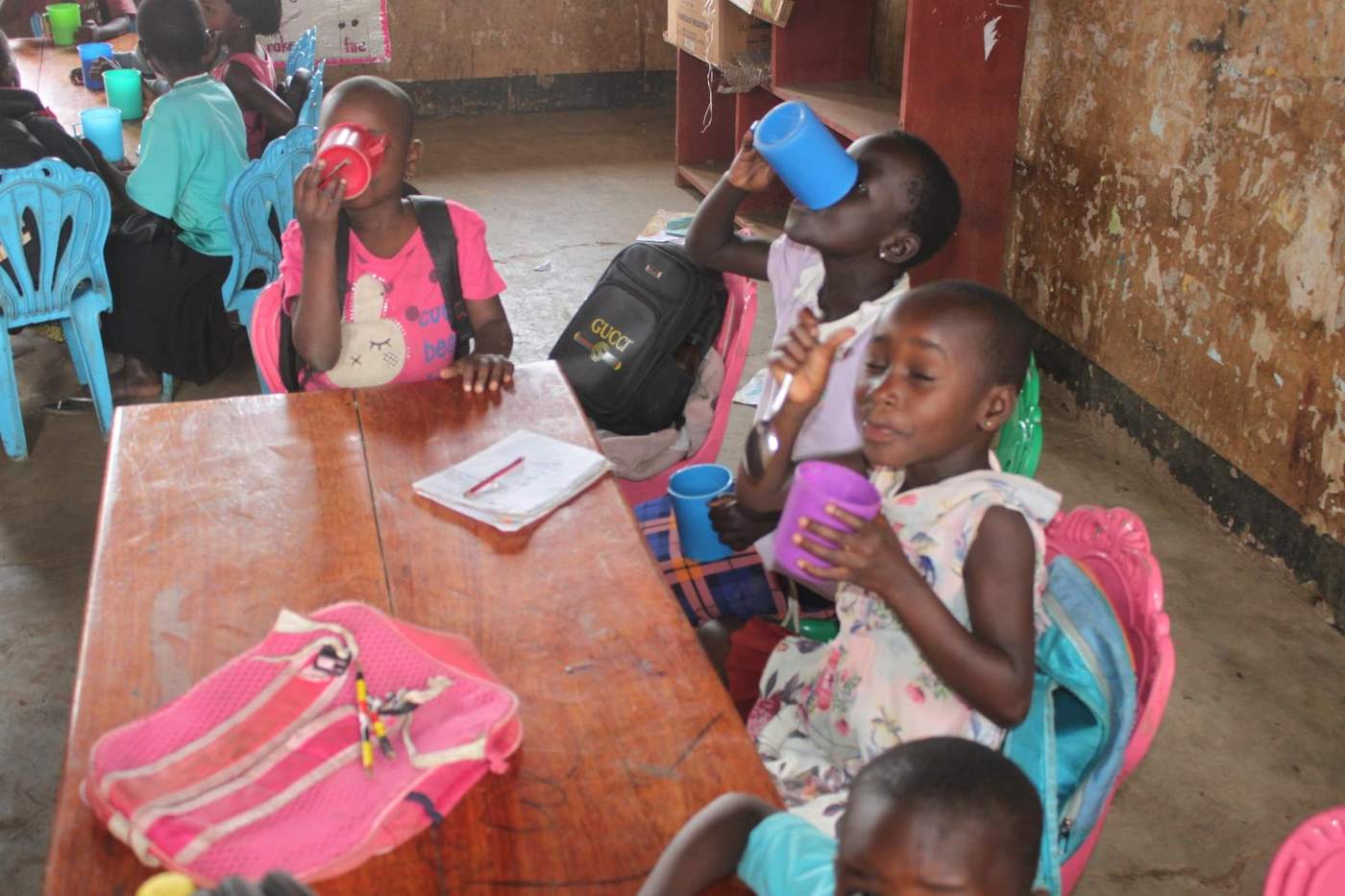
Teaching at the right level, project work, daily Healing Circle, school meals.

What we believe

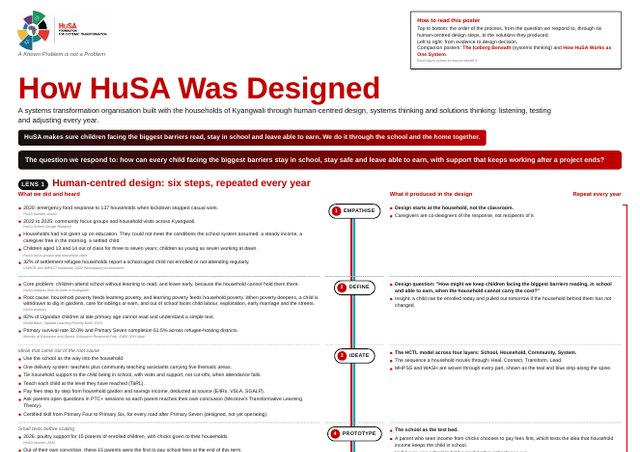
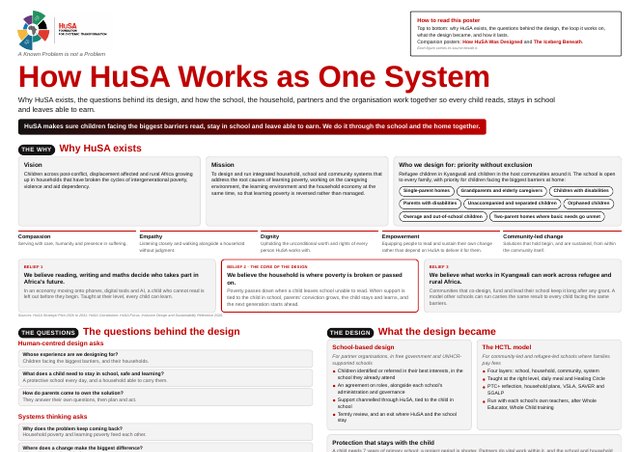
Three beliefs behind every design decision

Belief 1

Reading, writing and maths decide who takes part in Africa's future.

In an economy moving onto phones, digital tools and AI, a child who cannot read is left out before they begin. Taught at their level, every child can learn.

The core of the designBelief 2

The household is where poverty is broken or passed on.

Poverty passes down when a child leaves school unable to read. When support is tied to the child in school, parents' conviction grows, the child stays and learns, and the next generation starts ahead.

Belief 3

What works in Kyangwali can work across refugee, post-conflict and rural Africa.

Communities that co-design, fund and lead their school keep it long after any grant. A model other schools can run carries the same result to every child facing the same barriers.

Evidence so far

What the first years have produced

9,210+

lives touched across our 5 areas and the work that runs through them

1,842+

people and households reached directly

7,368+

family members reached through them

18 learners who began Primary One at HuSA in 2025 moved from three-letter words to reading stories: a first signal of learning from one small cohort. HuSA teacher assessment, 2026

Estimate: 1,842 people and households reached directly by HuSA, each counted with a household of 5. Some people take part in more than one programme. See the breakdown by area, and the funding record on the Accountability page.

Life at HuSA

The school and the home, week by week

See the full gallery →
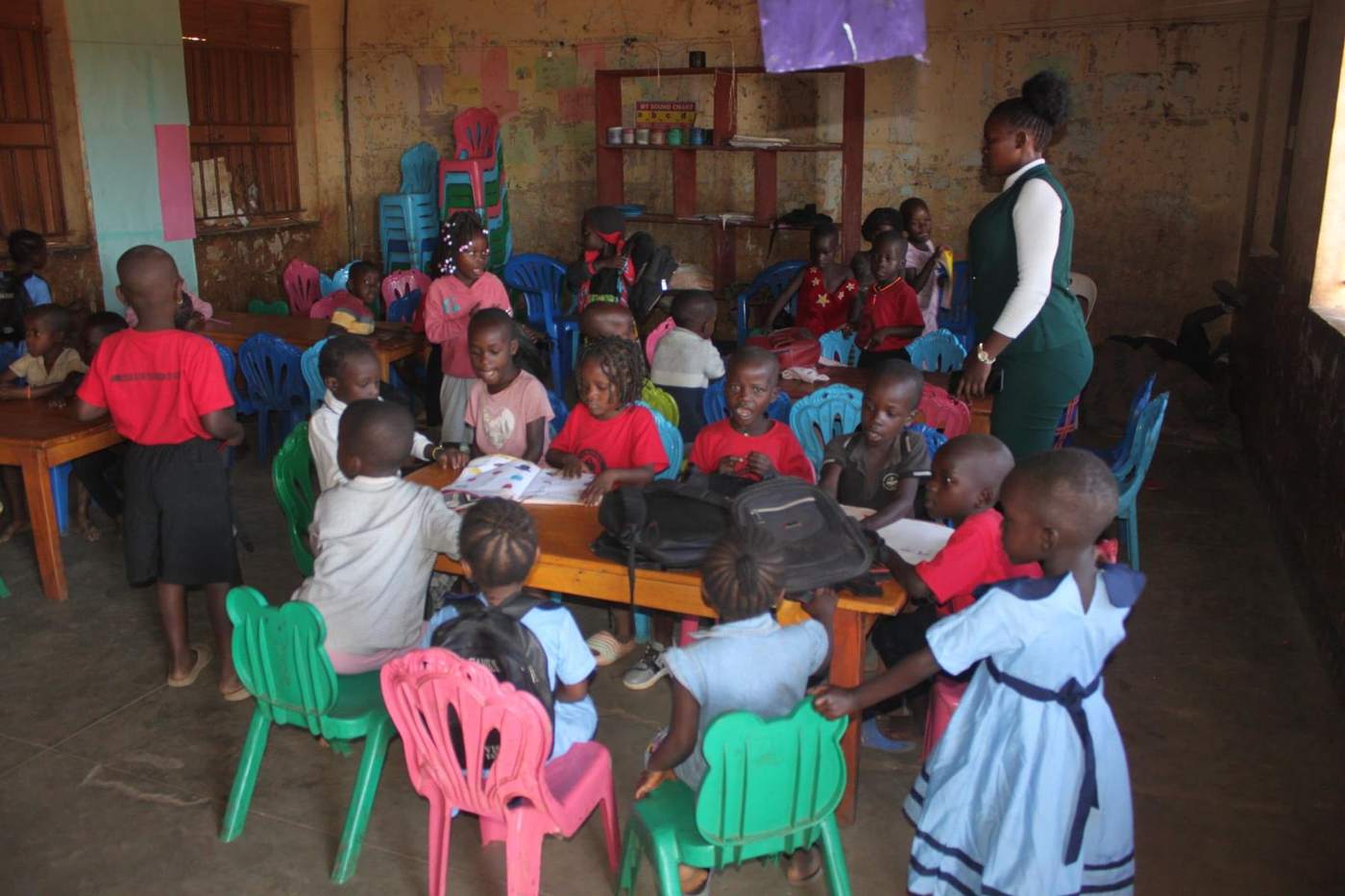
A teacher with early learners reading together at their tablesEducation
Reading together in early childhood
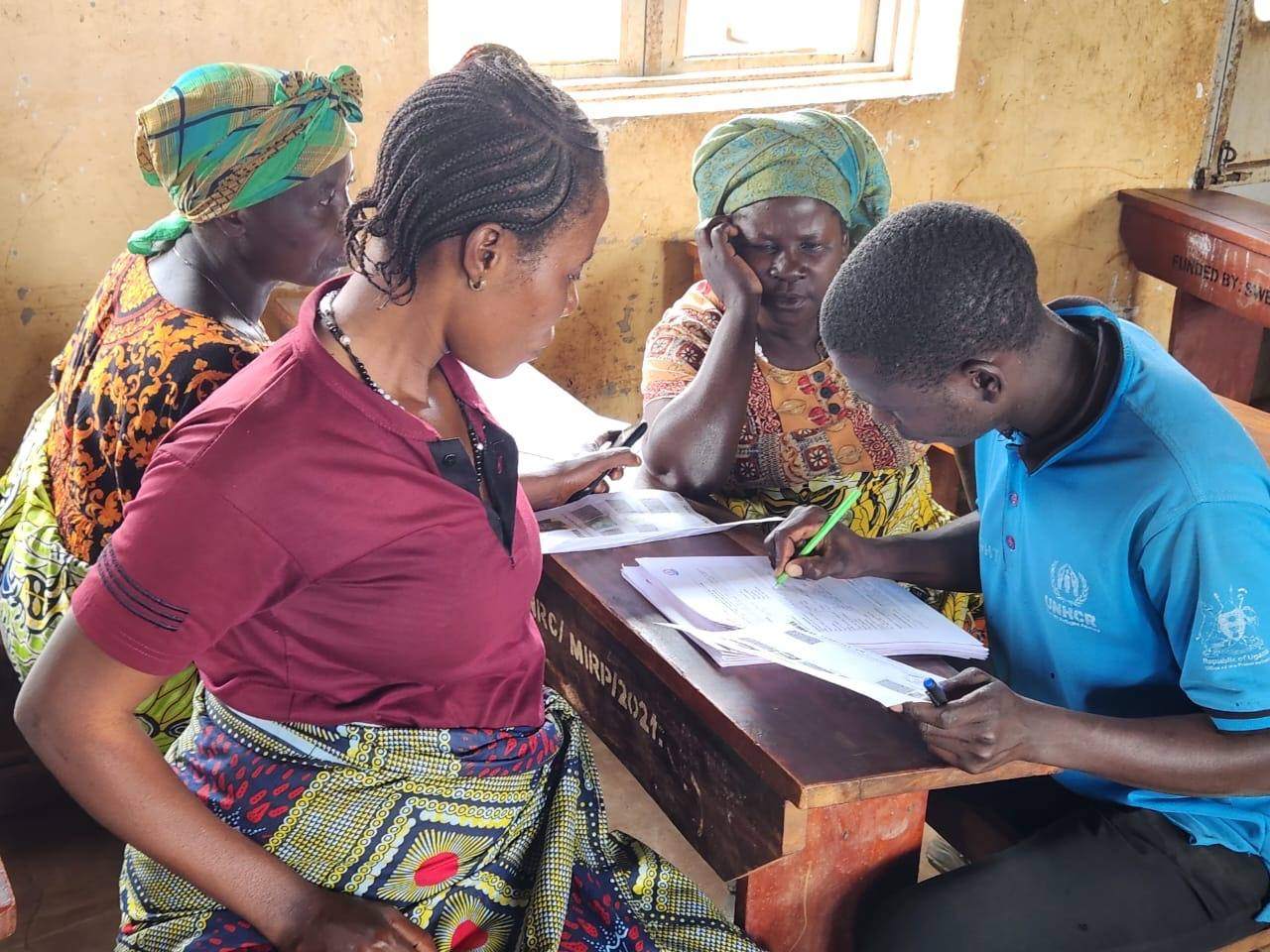
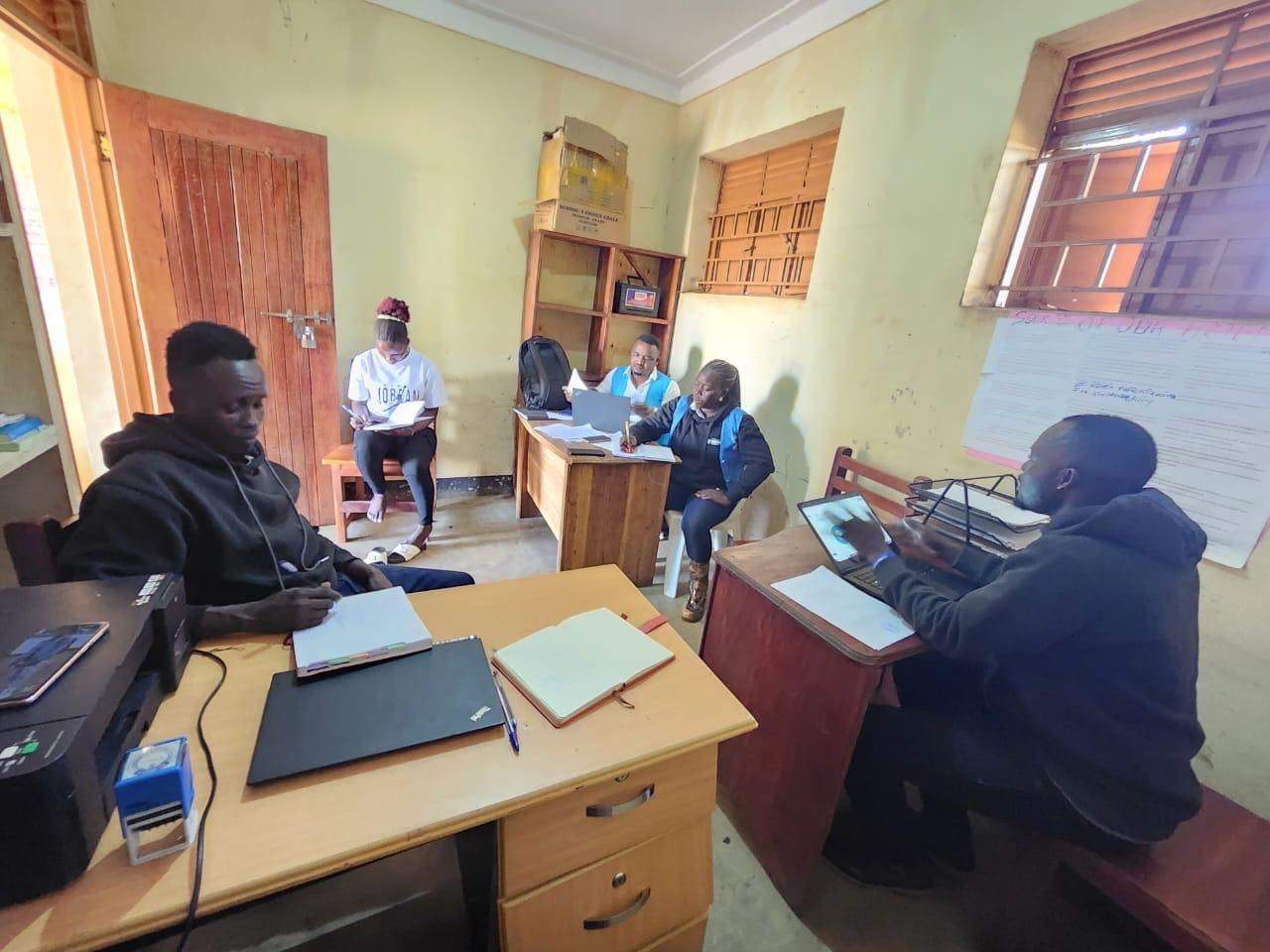
HuSA staff registering caregivers at a deskHouseholds
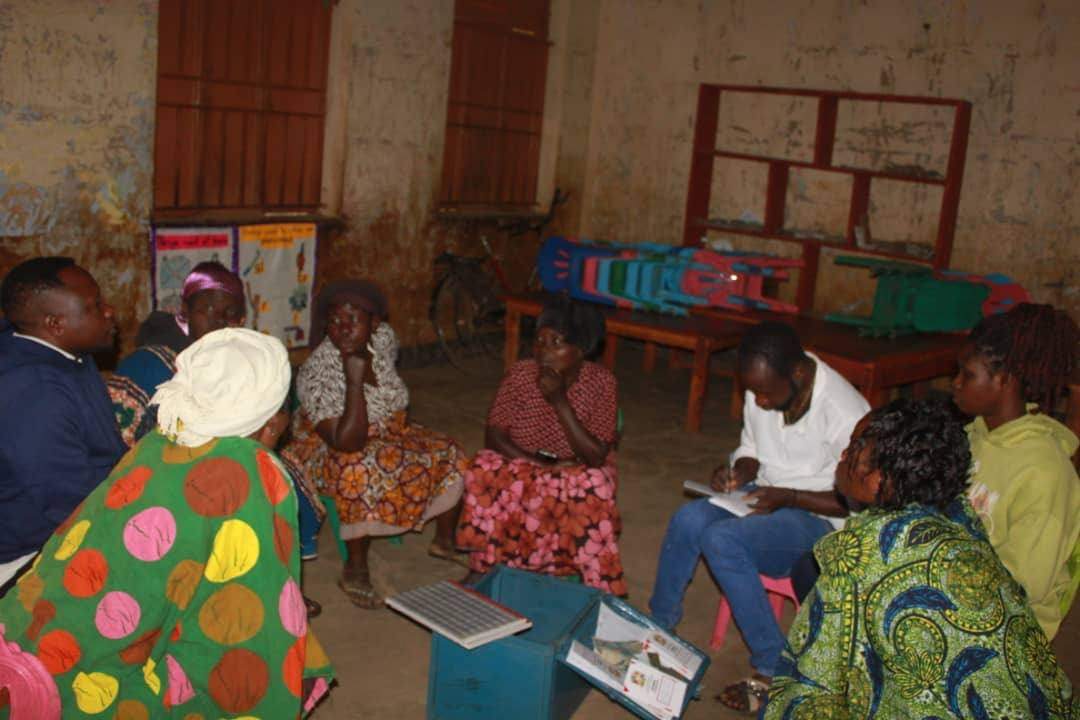
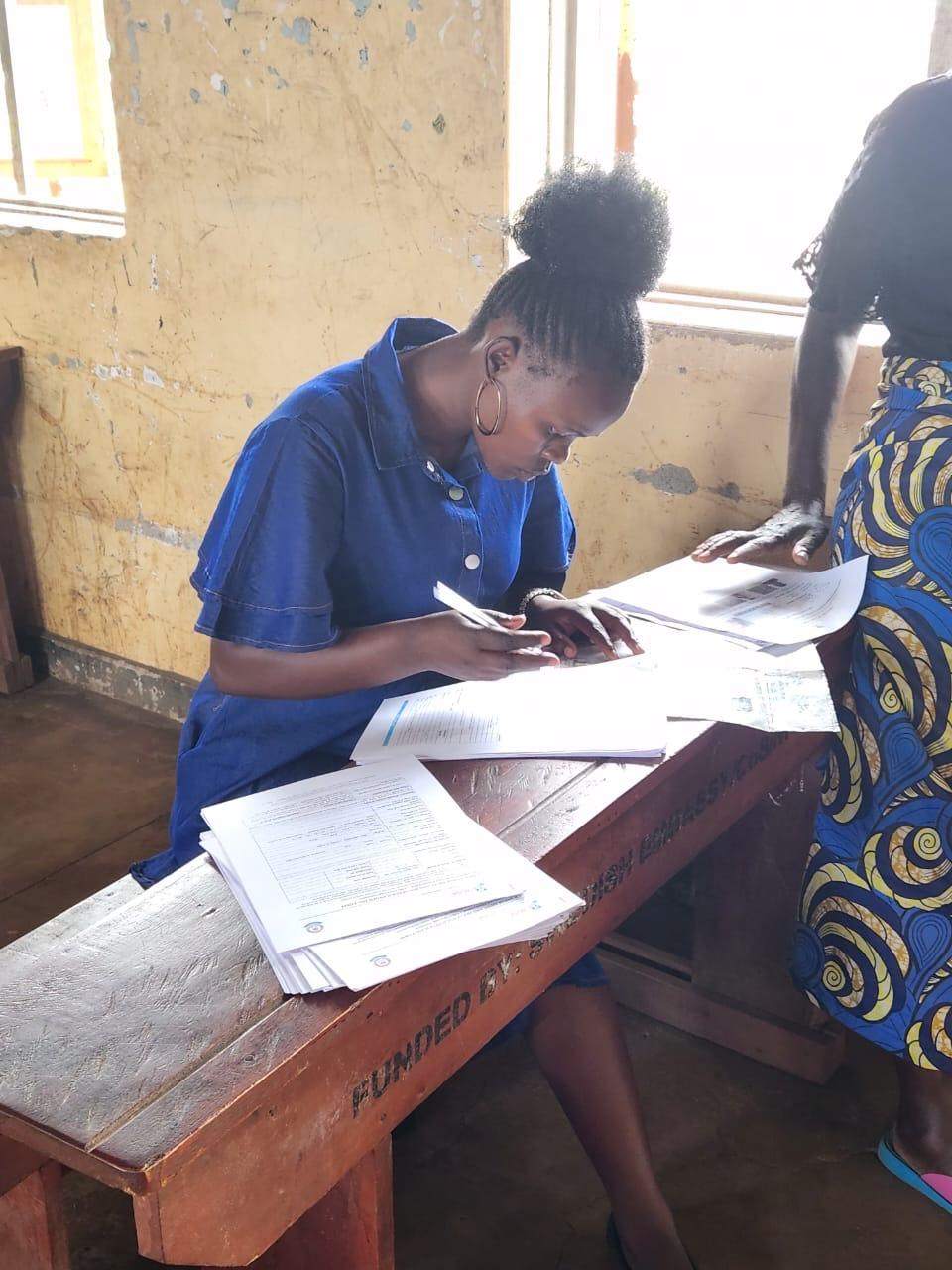
Registering households at enrolment
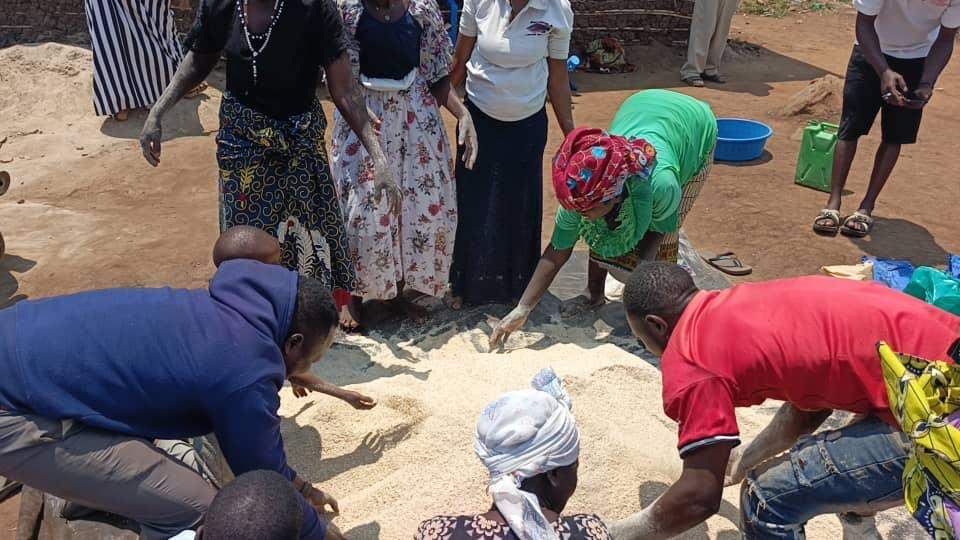
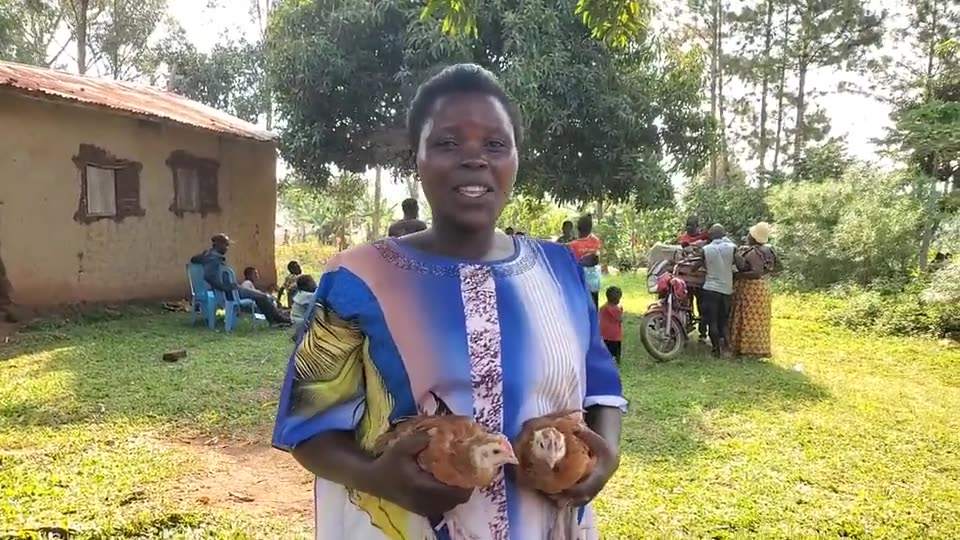
Parents mixing poultry feed together during a poultry rearing trainingLivelihoods
Parents learning to mix poultry feed
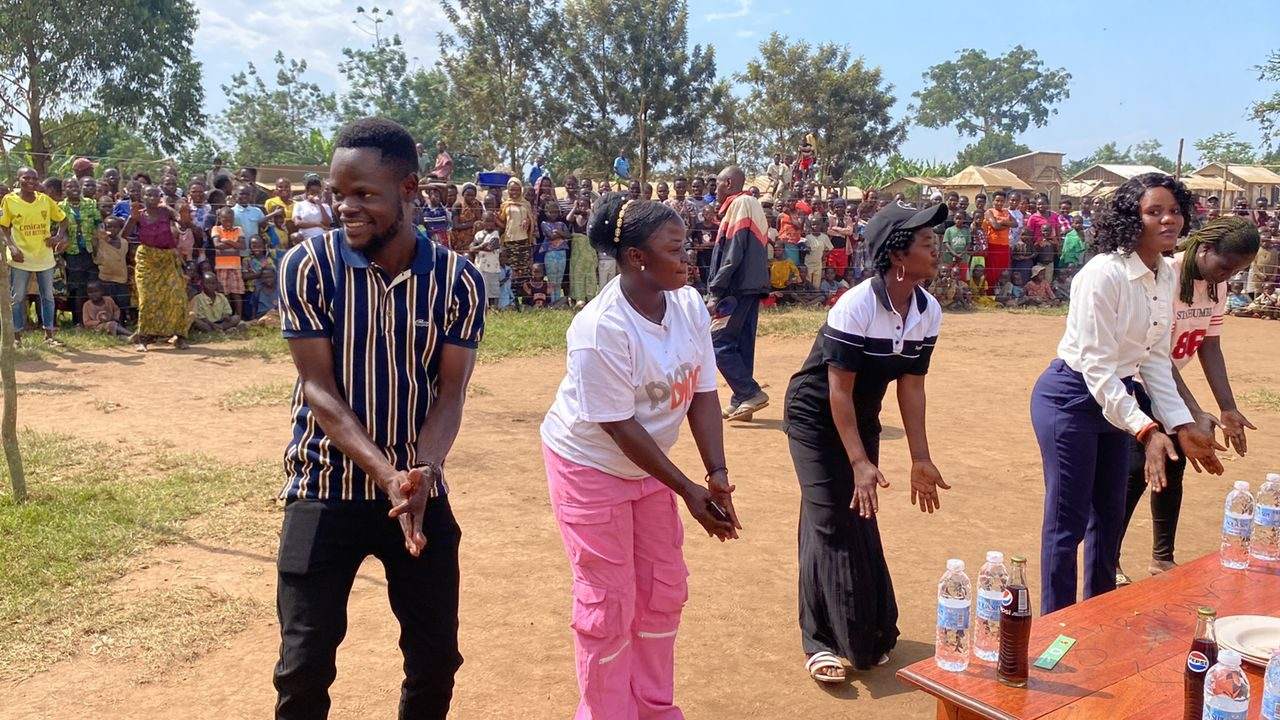
HuSA staff dancing in front of a crowd of familiesSpeech Day
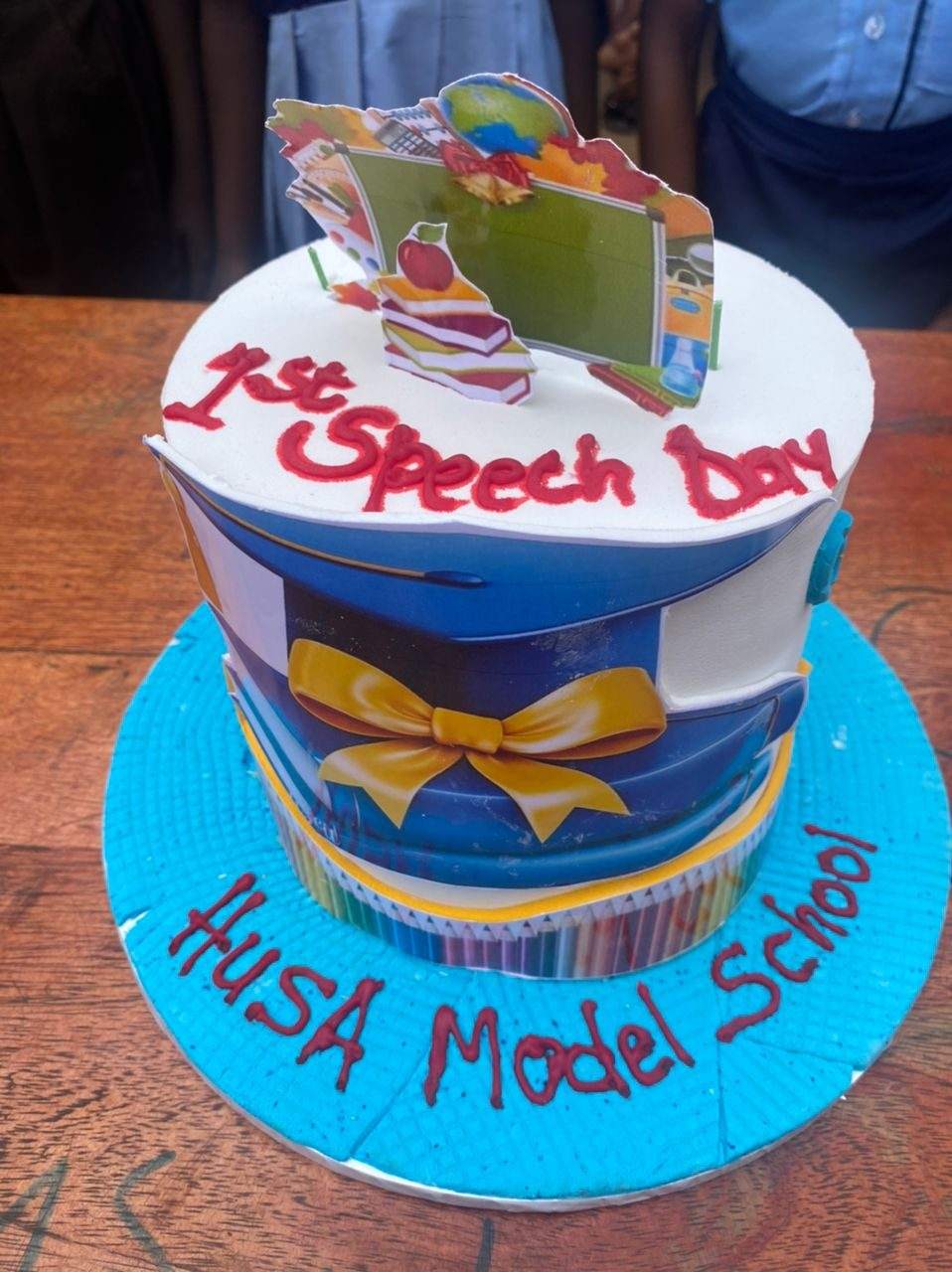
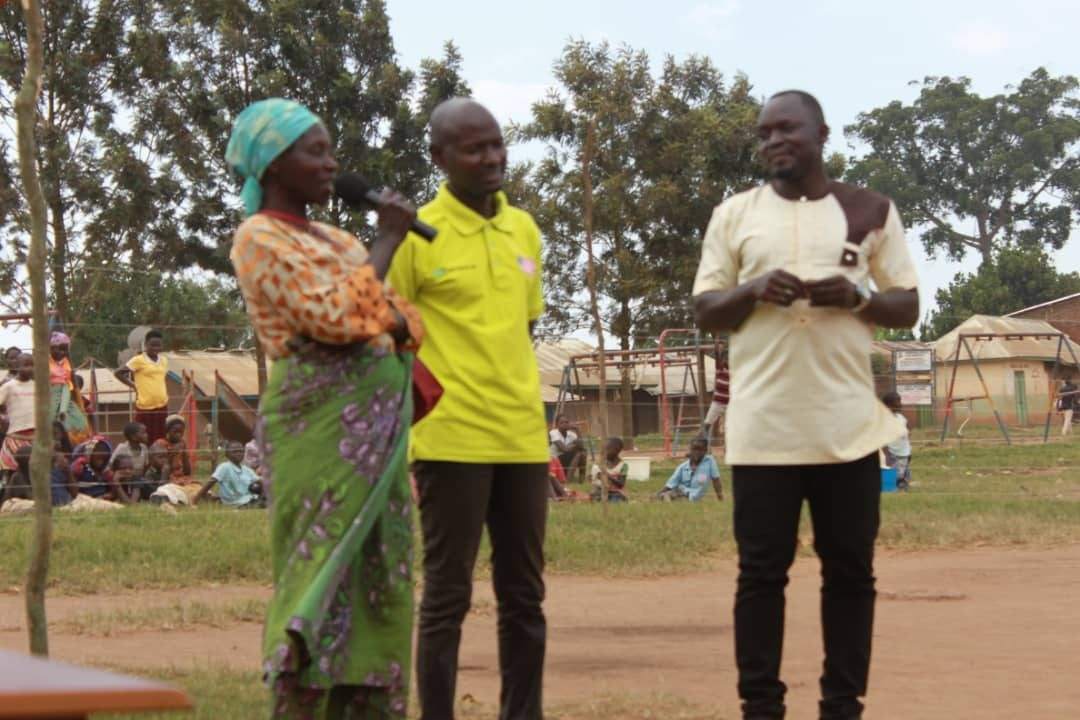
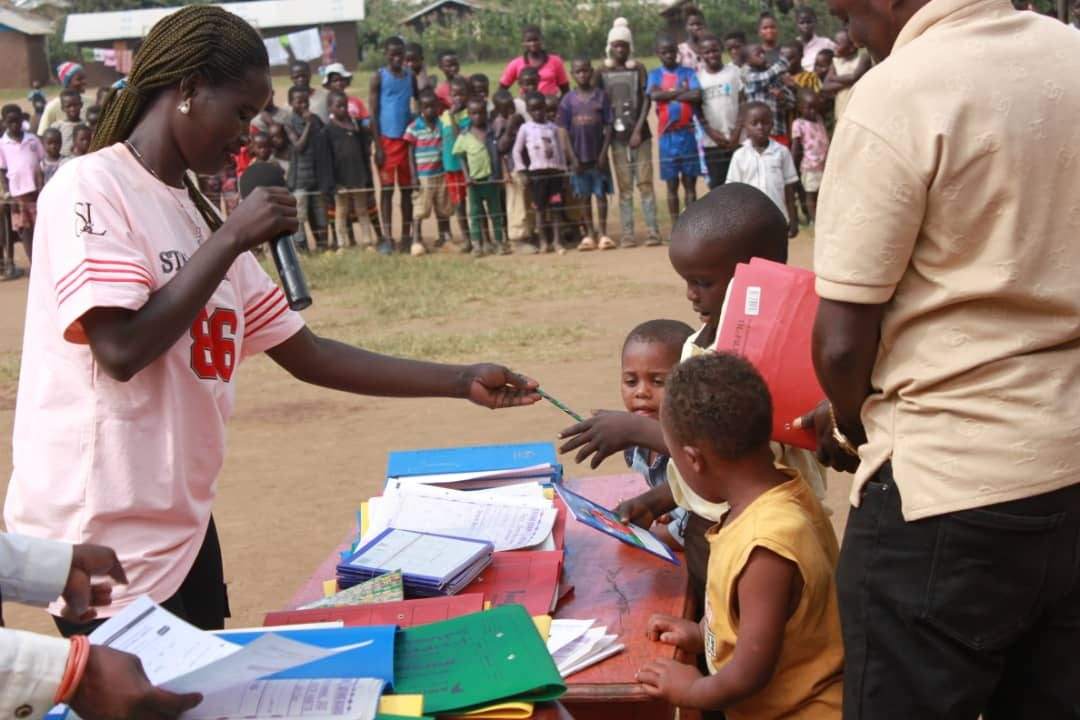
First Speech Day, 2025

How it lasts

Three strategies carry the model after any grant

Funding a school in a settlement is hard, and we say so. Each strategy carries its status, so you can see what is done and what is still a plan.

Committed

A school built to attract

A well-built school draws families who can pay the full fee. We plan 60% of primary places for them and reserve 40% for priority children on purpose. Their fees help fund those reserved places.

Committed

Leaders become partners

Through the Entrepreneurial Leadership pathway, every HuSA leader is prepared to own a business, with HuSA holding shares. Returns fund HuSA's programmes. Whoever comes to HuSA leaves as a partner.

In use

The E4Rs household pathway

Early childhood is free for 3 years. Fees then rise in steps and are paid from the household's own garden and savings income, until the household pays in full by Primary Seven.

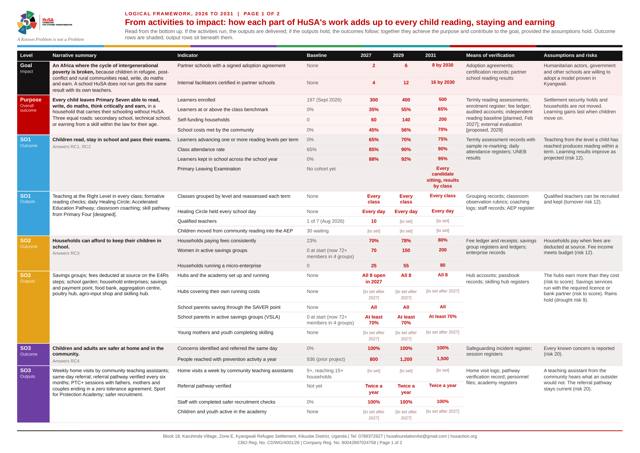
Target: 70% of school running costs met by the community by 2031 (HuSA Strategic Plan 2026 to 2031).

Help us prove a model community-led and refugee-led schools across Africa can run

Fund a stage of the learner journey, adopt the model in your school, or work with us on evidence. Every partnership is tied to one of our 6 strategic objectives.

HuSA newsletter

News from the school and the households, in your inbox

About once a month: what the children are learning, what households are building, and what we are learning along the way.

HuSA keeps your name and email only to send you updates, and never shares them. You can unsubscribe from any email with one click. Privacy notice

Follow HuSA

See the work week by week